
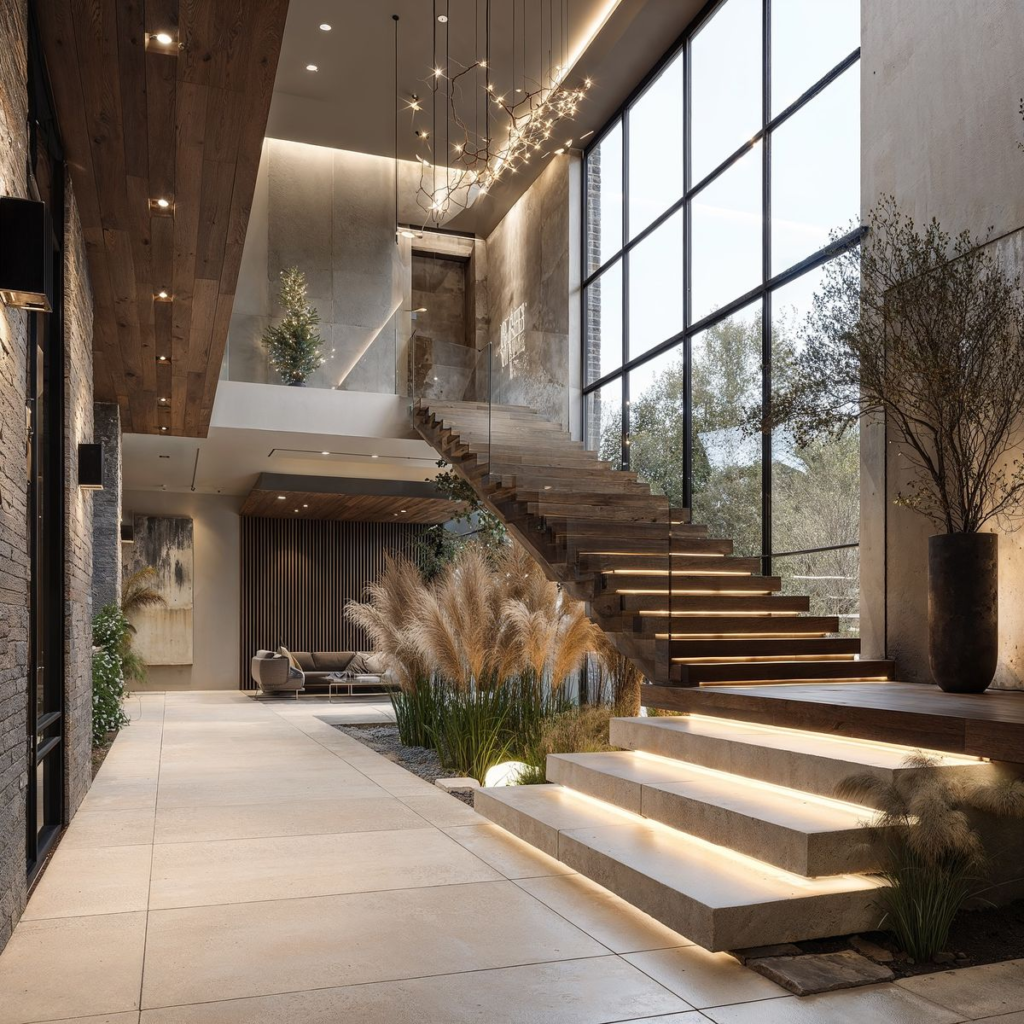
When I first started taking home decorating seriously, I made the classic mistake of collecting inspiration images from everywhere — magazine pages, social media, websites — without any consistent vision. The result was a living room that felt confused. Some pieces felt very minimal and modern. Others had a rustic, earthy quality. There was one very bohemian lamp that clearly didn’t belong with anything else.
What I needed — and didn’t have — was a clear understanding of the different decor styles and what actually defines each one. Once I understood that, I could make decisions with intention rather than just collecting things I liked individually.
Here’s a clear guide to the most popular home decor styles.
Modern Style — Clean, Functional, Uncluttered
Modern design is probably the most misunderstood term in interior design because it’s used loosely to mean almost anything contemporary. In its true sense, modern design refers to a specific movement — one that prioritizes function, rejects unnecessary ornamentation, and lets structure and materials do the visual work.
Defining characteristics:
- Neutral color palette — whites, greys, blacks, with deliberate accents
- Furniture with clean straight lines and minimal decoration
- Open floor plans with uncluttered space
- Quality over quantity — fewer pieces, each chosen carefully
- Smooth, often industrial materials — glass, metal, polished concrete
Modern design looks effortless when done well, but it requires discipline. Every item must justify its presence.
Minimalist Style — Even Less, Even More Intentional
Minimalism takes the principles of modern design and pushes them further. If modern design is selective about decoration, minimalism is almost entirely without it. The philosophy is genuinely “less is more” — and not as a compromise, but as a positive choice.
A minimalist home has:
- Very few decor objects — each one meaningful
- Furniture chosen only for function and quality
- A palette that’s almost entirely neutral
- Surfaces that are consistently clear
- Storage solutions that hide everything not in immediate use
The risk with minimalism is that it can feel cold and impersonal. The antidote is warmth in materials — natural wood, linen, stone — and in lighting. A minimalist room with warm lighting and natural textures can feel genuinely calm and beautiful. A minimalist room with cool lighting and synthetic materials just feels empty.
Contemporary Style — Current, Evolving, Flexible
Contemporary is often confused with modern, but they’re different. Modern refers to a specific historical design movement. Contemporary simply means “of the current moment” — whatever is current right now.
Contemporary design in 2026 blends elements from multiple styles. It’s characterized by:
- Mixed materials rather than strict adherence to one
- Smooth, clean surfaces as a base
- Neutral walls with bolder accent choices
- Layouts that adapt to how people actually live rather than following formal rules
- Furniture and accessories that reflect current trends
Contemporary spaces tend to feel current and relevant, but they can date quickly — which is both the advantage and the drawback of designing to reflect the present moment.
Scandinavian Style — Functional, Warm, and Quietly Beautiful
Scandinavian design has been one of the most globally influential interior styles of the past decade, and it remains deeply relevant. It emerged from Nordic countries where long dark winters meant homes needed to feel warm, bright, and genuinely comfortable.
What defines Scandinavian style:
- Light, bright walls — white and soft cream tones
- Abundant natural light, maximized wherever possible
- Natural materials — pale wood, linen, wool, cotton
- Cozy textures that create warmth without visual heaviness
- Functional furniture with clean lines but human scale
- Minimal but warm decoration
The concept of “hygge” — a Danish and Norwegian word for coziness and convivial comfort — is central to understanding this style. Scandinavian design creates spaces that feel good to be in, not just good to look at.
Industrial Style — Raw, Bold, and Urban
Industrial design takes its aesthetic from factories and urban spaces — exposed brick, raw concrete, visible pipes and ductwork, metal framework. It emerged as designers began converting old industrial buildings into residential spaces and realized the existing elements had a genuine beauty.
Characteristics of industrial style:
- Exposed structural elements — brick walls, concrete ceilings, visible beams
- Metal and raw wood combination — often with contrast between the two
- Dark, muted color palette — charcoal, black, dark brown, aged metals
- Functional, no-nonsense furniture
- Edison bulb lighting and industrial-style fixtures
Industrial design works particularly well in spaces that have genuine architectural character — high ceilings, large windows, raw surfaces. Trying to fake the industrial look in a standard apartment rarely succeeds, but elements of it — metal shelving, exposed-finish materials, industrial lighting — can be incorporated into many spaces.
Bohemian Style — Colorful, Layered, Completely Personal
Bohemian design is the antithesis of minimalism. It’s abundant, colorful, layered, and deeply personal — a style that reflects a life of collected experiences rather than curated purchases.
What makes a space feel bohemian:
- Rich, mixed colors — jewel tones, earthy reds, deep blues, burnt orange
- Layered textiles — multiple rugs, throw blankets, cushions in mixed patterns
- Plants, lots of them
- Handmade and artisan objects — ceramics, woven pieces, embroidered textiles
- Vintage and secondhand finds alongside new pieces
- Global influences — Moroccan lanterns, Indian block prints, Mexican ceramics
Bohemian spaces look effortless but actually require a specific kind of curatorial eye to avoid becoming simply chaotic. The difference between a beautiful boho room and a cluttered mess is often whether there’s a unifying color family running through all the variety.
Rustic Style — Natural, Earthy, and Warmly Imperfect
Rustic design celebrates the beauty of natural, imperfect materials — rough-hewn wood, stone walls, handmade ceramics, aged metals. It brings the feeling of the countryside indoors and embraces character over polish.
Defining elements:
- Raw and reclaimed wood — beams, furniture, flooring
- Stone accents — fireplaces, feature walls, countertops
- Warm earthy colors — brown, rust, deep green, cream
- Vintage and antique pieces that show their age
- Cozy textiles — wool, flannel, heavy cotton
- Natural light and warm artificial lighting
Rustic design is forgiving by nature — imperfections in materials are features, not flaws. It creates some of the warmest, most comfortable-feeling spaces of any design style.
Traditional Style — Classic, Elegant, Richly Detailed
Traditional design draws from classic European — particularly English and French — interior traditions. It’s formal, symmetrical, richly decorated, and built to feel permanent and timeless.
Characteristics:
- Rich, warm colors — deep burgundy, forest green, navy, gold, cream
- Detailed furniture — carved wood, tufted upholstery, turned legs
- Symmetrical arrangements — matching lamps, paired chairs, balanced layouts
- Pattern on fabrics — florals, damask, stripes, plaids
- Ornate lighting — chandeliers, decorative lamp bases
- Artwork in traditional frames, displayed in considered arrangements
Traditional design requires commitment and confidence. Done halfway, it looks hesitant. Done fully, it creates spaces with extraordinary warmth and elegance.
Farmhouse Style — Relaxed Country Living
Farmhouse style takes elements of rustic and traditional design and makes them more casual and accessible. It’s the warmth of the countryside without the formality — comfortable, practical, and welcoming.
What defines farmhouse style:
- White and neutral walls as the primary backdrop
- Natural wood in furniture, flooring, and accents
- Vintage and antique accessories — old signs, Mason jar collections, weathered finishes
- Open shelving in kitchens
- Shiplap paneling as a wall feature
- Soft, worn textiles — linen, cotton, natural fibers
Farmhouse style has been enormously popular partly because it’s warm and comfortable, and partly because it’s relatively accessible — many of the key elements are affordable or findable secondhand.
Mid-Century Modern — Timeless, Functional, and Distinctly Stylish
Mid-century modern refers to the design movement that emerged roughly between the 1940s and 1970s. It combined modernist principles with warmth and craftsmanship — clean lines and functional design, but in organic shapes and natural materials.
Defining characteristics:
- Clean lines with organic, slightly curved shapes
- Natural wood — walnut and teak are the classic choices
- Bold accent colors used deliberately — mustard, burnt orange, olive green, teal
- Functional design that avoids unnecessary ornamentation
- Iconic furniture pieces — Eames chairs, tulip tables, Noguchi lamps
Mid-century modern has aged remarkably well because it sits between the coldness of strict modernism and the complexity of traditional design. It’s warm but not cluttered, functional but not austere.
Coastal Style — Light, Airy, and Relaxed
Coastal design captures the atmosphere of life near the sea — light, fresh, breezy, and relaxed. At its best, it creates spaces that feel genuinely calm and unhurried.
Key elements:
- Light blues, whites, and sandy neutrals as the primary palette
- Natural textures — linen, cotton, jute, rattan, driftwood
- Light, airy quality — large windows, sheer curtains, unobstructed views
- Sea-inspired accents used with restraint
- Worn, weathered finishes rather than polished ones
The important thing with coastal design is restraint with the nautical elements. Anchors and ropes can quickly tip into theme-park territory. The best coastal interiors evoke the feeling of the sea rather than literally depicting it.
Transitional Style — The Best of Both
Transitional design is the approach for people who like elements of multiple styles and don’t want to commit fully to one. It blends modern simplicity with traditional warmth — clean lines with comfortable textures, neutral bases with rich accents.
What makes transitional design work:
- A neutral, consistent color palette as the foundation
- Furniture with clean lines but human scale and soft upholstery
- Simple layouts with warm textiles and layered accessories
- Mixing old and new — a contemporary sofa with a vintage rug, modern lighting over a traditional dining table
Transitional design is probably the most common approach in homes that look stylish and considered without belonging clearly to any single style category.
Common Decor Style Mistakes
Things that consistently undermine any design style:
- Mixing too many styles without a unifying principle — the room ends up feeling uncertain
- Overdecorating — more is rarely more in any style
- Choosing a style that looks good in photos but doesn’t suit how you actually live
- Ignoring scale — furniture that’s too large or too small for the space disrupts any style
Frequently Asked Questions
How do I choose which style is right for me?
Start by collecting images of spaces you find yourself genuinely drawn to — not just admiring, but actually wanting to be in. Look for patterns. The style that keeps appearing is probably closest to what you naturally prefer.
Can I mix different decor styles?
Yes, and the best homes often do. The key is having one dominant style and using others as accents, rather than trying to give equal weight to multiple styles simultaneously.
Do I need to commit to one style throughout the whole house?
Not necessarily. Different rooms can have different personalities — a modern kitchen and a more traditional living room can coexist. Consistency in flooring and a few shared elements helps the home feel cohesive even with variety between rooms.
Final Thoughts
Understanding decor styles isn’t about finding a label to commit to — it’s about understanding what you’re drawn to and why, so you can make consistent, intentional choices.
The homes that feel most put-together usually have a clear design language — a set of principles and preferences that runs through every room. That clarity comes from knowing which elements you value, which you don’t, and how to combine the things you love into something coherent.
That knowledge starts with understanding what’s actually out there.