
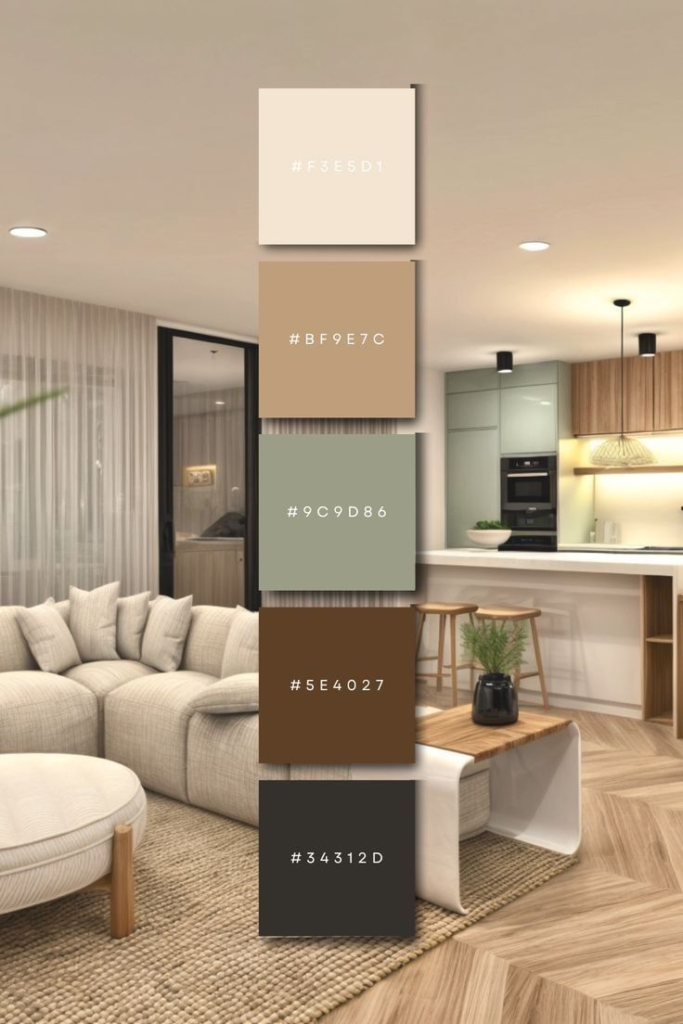
A friend of mine spent three months arguing with her husband about how to decorate their new apartment. She wanted clean lines and neutral tones. He wanted warm colors, detailed furniture, and what she called “too much going on.” They had, without knowing the terminology, a modern versus traditional disagreement — and it’s one of the most common tensions in home design.
Understanding what actually distinguishes these two styles makes the choice — or the compromise — much easier. Here’s a clear breakdown.
The Core Difference in Philosophy
Before getting into specifics, the fundamental difference between modern and traditional design comes down to this:
Modern design prioritizes function, simplicity, and space. Every element earns its place by serving a purpose. Decoration for its own sake is minimal or absent.
Traditional design prioritizes richness, detail, and warmth. Elements are chosen for beauty and character as much as function. History, craftsmanship, and elegance are central values.
Neither is objectively better. They serve different temperaments and different visions of what a home should feel like.
Color Palettes — Restrained vs Rich
Modern: The palette stays narrow and controlled. Whites, greys, and beiges dominate, with occasional deliberate accents in stronger colors. The goal is cohesion and calm — a room where nothing competes for attention.
Traditional: Colors are richer and warmer. Deep browns, golds, creams, burgundy, forest green — colors with depth and history. Multiple colors often appear in a single room, layered together through fabrics, wallpaper, and accessories.
One thing worth noting: modern color restraint can feel cold if not done carefully, while traditional richness can feel heavy if overdone. Balance is key in both.
Furniture — Simple vs Detailed
This is where the two styles diverge most visibly.
Modern furniture has clean straight lines, simple silhouettes, and minimal ornamentation. A modern sofa looks like a carefully considered geometric shape. A modern dining table is a flat surface on simple legs. The craftsmanship is often in the quality of materials rather than decorative detail.
Traditional furniture is the opposite — carved wood, curved legs, ornate details, upholstered pieces with tufting and trim. A traditional sofa might have rolled arms, turned feet, and detailed fabric. A traditional dining table might have a pedestal base with decorative carving.
If you’re trying to identify which style a room follows, furniture is usually the quickest indicator.
Layout and Space — Open vs Defined
Modern homes favor open floor plans where rooms flow into each other with minimal walls or separation. The emphasis is on spaciousness — rooms that feel airy and unconfined.
Traditional homes tend toward more defined, separate rooms. A formal dining room, a distinct living room, a study — each space has a clear purpose and boundaries. This creates a more structured, formal feel.
Neither is practically superior — it depends entirely on how you live and what you value in a home.
Materials — Industrial vs Natural
Modern design embraces glass, metal, steel, and smooth surfaces. Polished concrete floors, glass tabletops, metal shelving — materials that feel contemporary and often industrial in origin.
Traditional design leans toward natural and craft materials — wood, stone, fabric with texture and pattern, detailed finishes. Materials that have history and warmth rather than industrial precision.
In practice, both approaches can use natural materials, but the way those materials are finished and presented differs significantly. Traditional wood is carved and polished; modern wood is clean-grained and simple.
Decoration — Minimal vs Layered
Modern decoration is restrained by design. A few carefully chosen pieces, simple wall art, clear surfaces. The philosophy is that every decorative object should be exceptional — because there are so few of them.
Traditional decoration is abundant. Framed artwork, patterned fabrics, collections of objects, detailed accessories, layered textiles. The philosophy is that richness and character come from accumulation over time — pieces collected, inherited, and arranged with care.
Both approaches can look magnificent when done well. Modern minimalism requires exceptional individual pieces. Traditional layering requires careful curation to avoid becoming overwhelming.
Lighting — Sleek vs Ornate
Modern lighting is architectural. Recessed lighting, simple pendant lamps, track lighting, LED fixtures with clean geometric shapes. The light source is often less visible than its effect.
Traditional lighting is decorative. Chandeliers, detailed lamp bases, fabric shades, warm candlelight-style bulbs. The fixture itself is part of the room’s visual appeal.
This is one area where mixing the two styles works particularly well — a traditional chandelier in an otherwise modern room creates an interesting and often beautiful tension.
Flooring — Simple vs Detailed
Modern flooring tends toward polished tiles, clean-finished hardwood, or concrete. Simple patterns or no pattern at all. The floor recedes visually, supporting the room without drawing attention.
Traditional flooring is more decorative — patterned tiles, detailed rugs with elaborate designs, classic herringbone or parquet wood patterns. The floor is part of the room’s visual story.
The Overall Feeling
A modern room feels calm, organized, and efficient. There’s breathing room. Your eye isn’t pulled in multiple directions. It’s a space that supports clear thinking and easy movement.
A traditional room feels warm, rich, and layered. There’s history and detail wherever you look. It rewards close attention — there’s always something more to notice.
Which Should You Choose?
Choose modern if:
- You genuinely prefer simplicity and dislike visual complexity
- You find clutter stressful and prefer clear, open surfaces
- You want a space that’s easy to maintain and keep looking neat
- Your home has good natural light and open floor plans
Choose traditional if:
- You love rich colors, detailed craftsmanship, and decorative objects
- You want a home that feels warm, formal, and elegant
- You enjoy collecting pieces over time and building a layered space
- You find minimal spaces cold or impersonal
What If You Want Both?
Many of the most interesting homes blend elements of both styles — an approach often called transitional design. Modern furniture with traditional details, clean layouts with warm colors and rich textiles, simple architecture with ornate lighting.
The key to making it work is choosing one style as the dominant influence and letting the other appear as accent. A predominantly modern room with a traditional rug and one antique piece looks deliberate and interesting. A room that tries to be equally modern and traditional usually ends up confused.
Common Mistakes to Avoid
- Mixing too many styles without a unifying element — the room ends up looking like it can’t decide what it wants to be
- Overdecorating a modern room — it undermines the entire premise of the style
- Making a traditional space so busy that it becomes exhausting to spend time in
- Ignoring how color and lighting interact with your chosen style
Frequently Asked Questions
Which style is more expensive?
Neither is inherently more expensive. Modern design often involves fewer but higher-quality pieces. Traditional design involves more pieces, potentially including antiques and detailed craftsmanship. Budget is really about priorities within each style.
Which is better for small spaces?
Modern design generally works better in small spaces because the open layouts, minimal furniture, and restrained decoration prevent the room from feeling crowded. Traditional design can work in small spaces but requires careful editing.
Is transitional design a real style or just a compromise?
It’s genuinely its own approach with its own principles — not just a halfhearted attempt at both. Some of the most beautifully designed homes are transitional.
Final Thoughts
Modern and traditional design aren’t really opposites — they’re different answers to the same question: what should a home feel like?
If you want calm, simplicity, and function, modern design serves you well. If you want warmth, character, and richness, traditional design is the better fit. And if you want something in between — which many people do — transitional design gives you a framework for blending the two thoughtfully.
The most important thing is that the style you choose actually reflects how you want to live, not just how you want your home to look in photographs.