If you’d asked me a few years ago what a “well-designed home” looked like, I probably would have described something very white, very minimal, and very cold. Clean lines, no clutter, barely any color. The kind of space that looks incredible in a magazine but feels slightly uncomfortable to actually live in.
2026 has moved firmly away from that. The homes people are creating now feel warmer, more personal, and honestly more livable. Here’s what’s actually trending — and more importantly, why it works.
Warm and Earthy Colors Are Taking Over
The long reign of cool whites and grey everything is ending. The colors gaining real momentum in 2026 are the ones that feel grounded and warm — terracotta, clay tones, olive green, warm beige, soft browns.
These aren’t just fashionable choices. They work because they create an atmosphere that feels genuinely welcoming. A terracotta wall doesn’t just look good — it makes a room feel warm even before you’ve added any furniture or lighting. Earthy tones are also forgiving — they work with natural wood, linen, rattan, stone, and almost every natural material you might pair them with.
If your home is currently very white and grey and feels a bit clinical, adding even one earthy accent color — a terracotta cushion, an olive green throw, a warm beige rug — starts shifting the atmosphere immediately.
Curved and Soft Furniture Is Replacing Sharp Edges
Sharp, angular furniture was dominant for a long time in modern design. In 2026, curves are clearly taking over — rounded sofas, organic-shaped coffee tables, arched chairs, furniture that looks like it belongs in a space where people actually relax.
The reason this works isn’t just aesthetic. Curved furniture genuinely feels less formal and more inviting. A rounded sofa in a living room creates a different atmosphere than a boxy rectangular one — it invites you to sink in rather than sit upright.
If you’re furnishing or updating a space this year, look for pieces with soft edges and organic shapes. They don’t have to be dramatically curved — even a slightly rounded coffee table or an arched floor lamp contributes to this softer, more welcoming feel.
Statement Lighting Has Become a Design Feature in Itself
For a long time, lighting was an afterthought — something functional that you sorted out after the “real” decorating was done. That approach has completely shifted.
In 2026, a sculptural pendant light, a dramatic chandelier, or an artistic lamp is often the focal point of a room — the element that ties everything else together and gives the space its personality. People are investing in lighting the way they used to invest only in furniture.
What this means practically: don’t settle for a basic ceiling fixture. Even in a room with a limited budget, one interesting light fitting can elevate the entire space. A sculptural pendant over a dining table, a statement floor lamp in a living room corner, or warm bedside lamps instead of a single overhead light — these choices matter far more than most people realize.
Natural Materials Are Everywhere — And They Should Be
Wood, stone, linen, rattan, clay — natural materials are dominant in 2026 interiors. And it makes complete sense, because natural materials bring something into a space that manufactured alternatives genuinely can’t replicate: warmth, texture, and a sense of authenticity.
A wooden table that shows the grain of the timber, a stone surface with natural variation, a linen cushion with visible weave — these things feel real in a way that smooth, synthetic surfaces don’t. They also age well, which is part of their appeal.
The practical takeaway: when you’re choosing between a natural material and a synthetic alternative, lean toward natural where your budget allows. A rattan basket, a wooden shelf, a linen throw — these small choices accumulate into a space that feels genuinely warm rather than just decorated.
Biophilic Design — Bringing Nature Indoors
Biophilic design sounds more complicated than it is. It simply means designing spaces that feel connected to nature — through plants, natural light, organic textures, and green color themes.
The reason it’s grown so significantly is that it genuinely works. Spaces with plants, natural light, and organic materials feel calmer and more comfortable than spaces without them. Research consistently supports this, but honestly you don’t need the research — walk into a room with good natural light and a few plants, then into a room without either, and you feel the difference immediately.
In 2026, this means: maximize natural light wherever possible, add plants where they’ll actually survive, choose organic textures, and don’t be afraid of green as a wall or accent color.
Layered and Textured Interiors — Depth Over Flatness
Flat, one-dimensional interiors are out. The trend in 2026 is toward depth — layering different fabrics, textures, patterns, and materials to create a space that feels rich and considered.
This doesn’t mean cluttered. It means intentional layering — a linen sofa with velvet cushions, a jute rug over wooden flooring, a textured wall behind simple furniture. Each layer adds visual interest without adding chaos.
The key is keeping the color palette restrained while varying the textures. When colors are cohesive but textures are varied, the result is a space that feels sophisticated and warm rather than flat and staged.
Retro and Vintage Elements Are Coming Back
Not a wholesale return to past decades — more of a selective borrowing. A vintage lamp in a modern room, an antique mirror in a minimalist space, a retro pattern on a contemporary sofa. These combinations work because the contrast creates character.
In 2026, homes that blend old and new feel more interesting than those that commit entirely to one era. A perfectly modern room with one genuinely old piece has more personality than a room where everything came from the same contemporary collection.
Thrift stores, antique markets, and family pieces that have been in storage are worth exploring. One well-chosen vintage element can transform a room that feels generic into one that feels like it belongs to someone.
Warm Minimalism — Not Cold, Not Cluttered
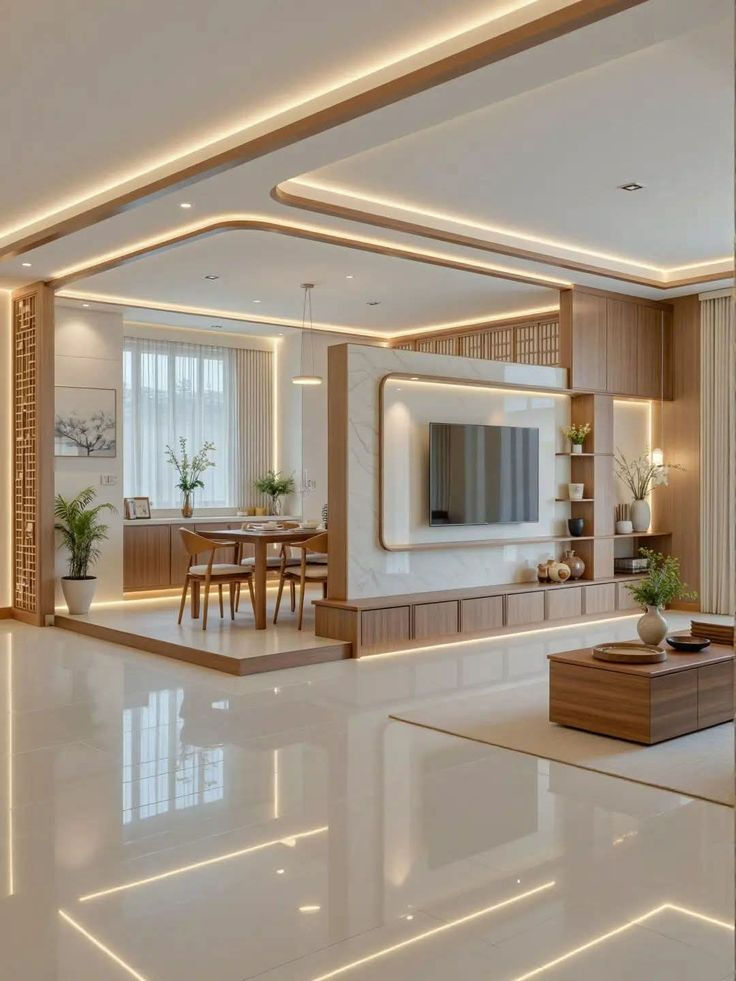
Minimalism isn’t disappearing — it’s evolving. The cold, stark minimalism of empty white rooms and zero decoration is giving way to warm minimalism: the same principle of less clutter and intentional choices, but with warmth, texture, and comfort built in.
Warm minimalism looks like: a simple room with clean lines, but the surfaces are wood rather than laminate, the fabrics are linen rather than synthetic, the colors are warm cream rather than cold white, and there are one or two plants rather than zero. Not complicated — just warmer.
This is probably the most livable version of minimalism that’s ever been popular, because it doesn’t require choosing between looking good and feeling comfortable.
Open Spaces Are Getting Zones
Completely open floor plans with no definition between areas are being reconsidered. The new approach is zoning — using rugs, furniture arrangement, and shelving to create defined areas within open spaces.
A rug under the sofa and coffee table defines the living area. A pendant light over the dining table anchors that zone. A bookshelf used as a room divider separates a workspace from a sitting area. The space remains open and connected, but each zone feels purposeful and distinct.
This works better for everyday living than a completely undivided open space, where the lack of boundaries can actually make a room harder to use comfortably.
Sustainability Is Now a Core Consideration
Eco-friendly and sustainable choices are no longer a niche preference — they’re increasingly central to how people think about decorating. Recycled materials, furniture from sustainable sources, handmade decor that supports small makers, finishes with low environmental impact.
Beyond the ethical dimension, sustainable choices often result in better quality. Solid wood lasts decades; cheap flat-pack rarely does. Handmade ceramics have character; mass-produced alternatives don’t. Choosing sustainably often means choosing things that age beautifully rather than things that need replacing every few years.
Common 2026 Decor Mistakes to Avoid
A few approaches that work against current trends:
- All-white rooms with no warmth or texture — functional but cold and impersonal
- Mixing too many competing styles without a unifying element
- Prioritizing appearance over comfort — a beautiful room you don’t want to sit in has failed
- Overcrowding small spaces with furniture to make them feel “designed”
Frequently Asked Questions
What’s the single biggest decor shift happening in 2026?
The move from cold, minimal interiors toward warm, natural, and textured spaces. Earthy colors, natural materials, and layered textures are defining the year.
Is all-white still a valid design choice?
White works, but pure cold white as the dominant color feels dated in 2026. Warm whites, off-whites, and cream tones are far more current and work much better with natural materials.
How do I incorporate 2026 trends without redecorating everything?
Start with accessories. Swap cool-toned cushions for terracotta or olive green ones. Add a rattan basket or two. Bring in a plant. Change your lighting to warm white bulbs. These small shifts move a space in the right direction without requiring major changes.
Final Thoughts
The homes that feel best in 2026 are the ones that feel genuinely lived in — warm, layered, personal, and comfortable. Not showrooms, not staged photos, not spaces that require constant maintenance to look right.
Natural materials, earthy colors, thoughtful lighting, and a few personal touches are doing more for interior design right now than any elaborate renovation. The best part is that most of these changes are accessible regardless of budget — they’re about choices and intention more than expense.