
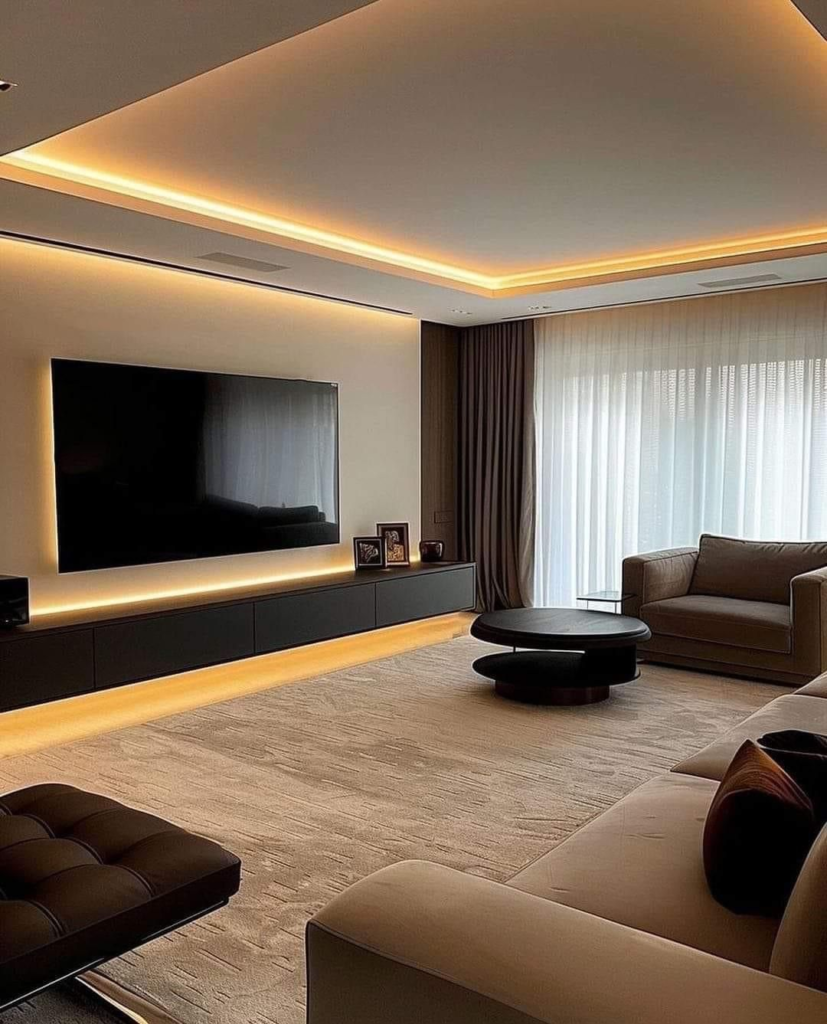
Lighting is one of the most important elements of living room design. The right lighting can completely transform the mood, functionality, and appearance of your space. Whether you want a cozy atmosphere for relaxing evenings or a bright environment for entertaining guests, a well-planned lighting strategy can make all the difference.
In this guide, we’ll explore the best lighting ideas for living rooms and show you how to combine different types of lighting to create a beautiful and inviting space.
Why Living Room Lighting Matters
Lighting does much more than illuminate a room.
Good lighting can:
- Make a room feel larger
- Highlight architectural features
- Improve functionality
- Enhance decor and furniture
- Create a welcoming atmosphere
- Increase comfort and relaxation
A successful lighting design balances beauty and practicality.
Layer Your Lighting
One of the biggest mistakes homeowners make is relying on a single ceiling light.
Interior designers recommend using layered lighting, which combines different light sources throughout the room.
The three main layers are:
Ambient Lighting
Provides overall illumination.
Task Lighting
Supports specific activities such as reading or working.
Accent Lighting
Highlights decorative features and creates visual interest.
Combining these layers creates a more comfortable and flexible living space.
Use a Statement Ceiling Light
A stylish ceiling fixture can serve as the focal point of your living room.
Popular options include:
- Modern chandeliers
- Pendant lights
- Flush mount fixtures
- Semi-flush ceiling lights
Choose a design that complements your overall decor style while providing adequate brightness.
Add Floor Lamps for Warmth
Floor lamps are one of the easiest ways to improve living room lighting.
Benefits include:
- Easy installation
- Flexible placement
- Decorative appeal
- Additional ambient light
Place a floor lamp beside a sofa or reading chair to create a cozy corner for relaxing.
Create Reading Nooks with Table Lamps
Table lamps provide focused task lighting while adding personality to the room.
Consider placing lamps on:
- Side tables
- Console tables
- Shelving units
Warm light bulbs work especially well for creating a relaxing atmosphere.
Maximize Natural Light
Natural sunlight is the best light source available.
To maximize natural light:
- Use sheer curtains
- Keep windows unobstructed
- Choose light-colored walls
- Position mirrors opposite windows
Natural light helps living rooms feel larger, brighter, and more welcoming.
Install Wall Sconces
Wall sconces are becoming increasingly popular in modern living room design.
Advantages include:
- Save floor space
- Add decorative interest
- Create soft ambient lighting
- Highlight artwork and architectural details
They work particularly well in smaller living rooms where space is limited.
Use LED Lighting for Efficiency
LED bulbs are an excellent choice for modern homes.
Benefits include:
- Energy efficient
- Long lifespan
- Lower electricity costs
- Available in various color temperatures
Warm white LEDs are often ideal for living rooms because they create a comfortable and inviting environment.
Highlight Artwork and Decor
Accent lighting can draw attention to your favorite design features.
Use:
- Picture lights
- Adjustable spotlights
- LED strips
- Wall-mounted fixtures
These lighting options add depth and sophistication to the room.
Add Dimmer Switches
Dimmer switches allow you to control the brightness of your lighting throughout the day.
Benefits include:
- Improved ambiance
- Energy savings
- Greater flexibility
- Enhanced comfort
Bright lighting may be perfect during the day, while softer lighting creates a relaxing evening atmosphere.
Incorporate LED Strip Lighting
LED strips are a modern lighting trend that adds subtle elegance.
Popular applications include:
- Behind TV units
- Under floating shelves
- Inside display cabinets
- Behind wall panels
This indirect lighting creates a luxurious appearance without overwhelming the space.
Choose the Right Color Temperature
The color temperature of your bulbs affects how the room feels.
Warm White (2700K–3000K)
Creates a cozy and relaxing atmosphere.
Neutral White (3500K–4000K)
Provides balanced illumination.
Cool White (5000K+)
Feels brighter but may appear too harsh for living rooms.
Most homeowners prefer warm white lighting for living spaces.
Illuminate Dark Corners
Dark corners can make a room feel smaller and less inviting.
Brighten these areas using:
- Floor lamps
- Wall sconces
- Small table lamps
- Decorative lanterns
Even subtle lighting can improve the room’s overall balance.
Use Mirrors to Amplify Light
Mirrors naturally reflect both natural and artificial light.
A large mirror placed near a window or lamp can:
- Increase brightness
- Create depth
- Make the room appear larger
This is especially useful for small living rooms.
Smart Lighting Solutions
Smart lighting systems are becoming increasingly popular.
Features may include:
- Voice control
- Mobile app management
- Scheduling
- Brightness adjustment
- Color customization
Smart lighting allows you to easily adapt your living room to different activities and moods.
Living Room Lighting Ideas for Small Spaces
If your living room is compact, consider:
- Wall-mounted lighting
- Slim floor lamps
- Floating shelf lighting
- Mirrors for light reflection
- Light-colored lampshades
These strategies help maximize brightness without taking up valuable floor space.
Common Lighting Mistakes to Avoid
Avoid these common mistakes:
- Using only one light source
- Choosing bulbs that are too bright
- Ignoring task lighting
- Blocking natural light
- Installing fixtures that are too small
A balanced lighting plan creates a more attractive and functional living room.
Frequently Asked Questions
What type of lighting is best for a living room?
A combination of ambient, task, and accent lighting provides the best results for comfort and functionality.
How many lights should a living room have?
Most living rooms benefit from multiple light sources, including a ceiling fixture, floor lamp, table lamps, and accent lighting.
What color light is best for a living room?
Warm white light between 2700K and 3000K is generally considered ideal for creating a cozy atmosphere.
Are LED lights good for living rooms?
Yes. LED lights are energy-efficient, long-lasting, and available in a wide range of styles and brightness levels.
Conclusion
The right lighting can completely transform your living room. By layering light sources, maximizing natural light, incorporating decorative fixtures, and choosing the correct bulb temperature, you can create a space that feels both stylish and comfortable.
Whether your living room is large or small, thoughtful lighting design can improve functionality, enhance decor, and create a warm atmosphere that you’ll enjoy every day.