
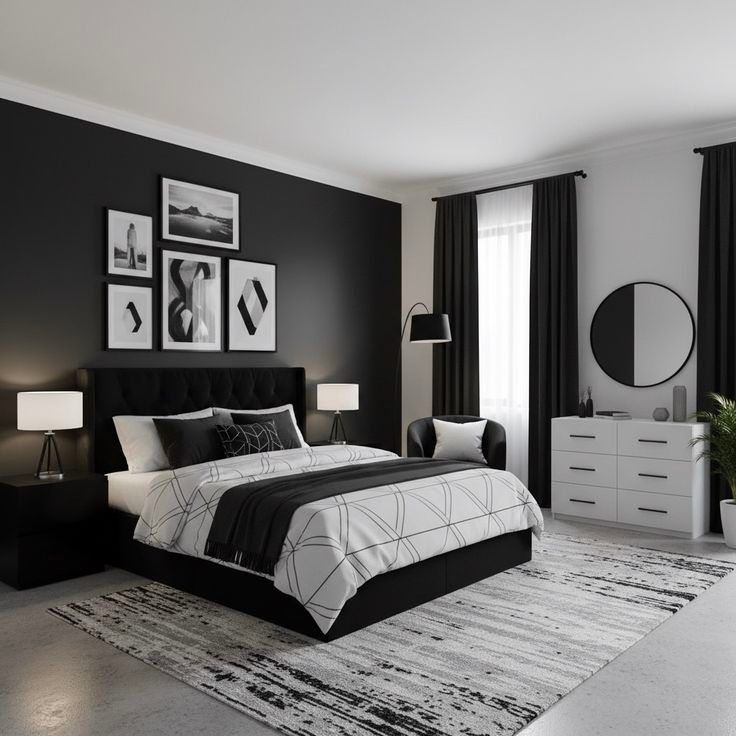
There was a point where my bedroom had become a storage room that also happened to have a bed in it. Boxes in corners, clothes on chairs, a cluttered nightstand, random things on every surface. I’d walk in at the end of the day and instead of feeling relaxed, I’d feel slightly stressed.
A friend suggested minimalism — and I’ll be honest, my first reaction was that it would feel cold and empty. What I discovered was the opposite. A properly done minimalist bedroom is one of the most comfortable, restful spaces you can create.
Here’s how I got there, and how you can too.
What Minimalism Actually Means in a Bedroom
Minimalism isn’t about having as few things as possible. It’s about being intentional — only keeping what genuinely serves a purpose or brings you real pleasure. The goal isn’t emptiness. It’s calm.
A minimalist bedroom should feel peaceful when you walk in. Every item should be there for a reason.
Start with a Thorough Declutter
You can’t create a minimalist bedroom without first removing what doesn’t belong. This is the hardest step for most people, but also the most important one.
Go through everything in the room and ask honestly: do I use this? Do I love this? Does it belong here?
Things that commonly need to go:
- Clothes that have drifted onto chairs and surfaces
- Decor items that were put there randomly rather than chosen deliberately
- Books and magazines that have accumulated without being read
- Boxes, bags, or items stored in the bedroom because there’s nowhere else for them
After decluttering, the room usually already looks dramatically different — before any design decisions are made.
Choose a Neutral, Restrained Color Palette
Color in a minimalist bedroom should feel calm and cohesive. The palette typically stays within a narrow range of neutral or muted tones.
Colors that work best:
- White and warm white — the foundation of most minimalist bedrooms
- Cream and off-white — softer and warmer than pure white
- Light grey — clean and versatile
- Soft beige and taupe — grounded and warm
- Muted earth tones — warm without being heavy
The key is consistency. When every surface and element stays within the same tonal family, the room feels cohesive and calm even without elaborate decoration.
Choose Furniture That Earns Its Place
In a minimalist bedroom, every piece of furniture needs to justify being there. This doesn’t mean owning as little as possible — it means choosing pieces that are functional, well-proportioned, and visually clean.
A minimalist bedroom typically needs:
- A bed with a simple, clean-lined frame
- Two nightstands (or one if space is very limited)
- A wardrobe or storage that keeps clothes out of sight
- Possibly a simple dresser if additional storage is needed
Avoid decorative furniture that serves no real function. Every piece should work.
Built-In and Hidden Storage Is Essential
One of the defining features of a minimalist bedroom is clear, uncluttered surfaces. But that doesn’t mean things disappear — it means they’re stored out of sight. Built-in wardrobes, under-bed storage, and furniture with integrated drawers make this possible.
Storage solutions that support minimalist design:
- Under-bed storage boxes or drawers for seasonal items
- Built-in wardrobes that keep clothing completely contained
- Nightstands with drawers rather than open shelves
- Ottomans at the foot of the bed with interior storage
When storage is hidden, the room automatically feels calmer.
Keep Surfaces Almost Clear
This is perhaps the hardest habit to maintain, but also one of the most impactful. Clear surfaces — nightstands with just a lamp and one or two items, a dresser with nothing unnecessary on top — make a room feel immediately more peaceful.
The nightstand rule I follow: lamp, one book, one small item (a plant or a candle). Nothing else. Everything else has a drawer.
Invest in Quality Bedding
In a minimalist bedroom, the bed is the primary visual focus. Since you’re not filling the room with lots of decorative items, the bedding becomes the statement.
Choose high-quality, simple bedding in neutral tones:
- White or cream duvet covers in good quality cotton or linen
- Pillowcases that match the duvet
- One or two simple throw pillows rather than an elaborate arrangement
- A folded throw blanket at the foot for texture
The goal is a bed that looks calm and inviting, not overly staged.
Use Texture to Add Warmth
One concern people have about minimalist bedrooms is that they’ll feel cold or sterile. The solution is texture — using different materials to add visual and physical warmth without adding clutter.
Texture in a minimalist bedroom:
- Linen bedding instead of plain cotton
- A woven or knit throw blanket
- A soft area rug with subtle texture
- Natural wood furniture rather than painted or lacquered pieces
- A rattan or woven basket for storage
Different textures in the same tonal range create warmth and depth without visual complexity.
Keep Lighting Simple and Warm
Lighting in a minimalist bedroom should feel warm and calm. Harsh overhead lighting defeats the purpose — it makes the room feel like an office rather than a retreat.
Good lighting for a minimalist bedroom:
- Warm white bulbs rather than cool or daylight bulbs
- Bedside lamps that provide comfortable reading light without glare
- A dimmer switch on any overhead lighting if possible
- Natural light during the day, kept as unobstructed as possible
Simple pendant lights above the bed or minimalist wall sconces work particularly well because they save surface space on nightstands.
Add One or Two Plants — Not More
Plants work beautifully in minimalist bedrooms because they add a natural, living element without adding clutter or visual noise. A single plant in a simple pot on a shelf or nightstand is enough.
Good choices for bedrooms:
- Snake plant — architectural and very low maintenance
- Pothos — soft and trailing, perfect for a shelf
- ZZ plant — elegant and forgiving of neglect
- Peace lily — gentle and graceful
One plant placed thoughtfully always looks more intentional than several plants scattered around.
Manage Technology and Cables
Visible cables and scattered devices are the enemy of a minimalist bedroom. Phone chargers trailing across nightstands, power strips visible on the floor, multiple devices charging in different corners — all of this adds visual noise that makes the room feel chaotic.
Simple fixes:
- Cable organizers to bundle and hide cables
- A single charging station in one location
- Keeping phones charged away from the bed if possible
- Wireless devices where affordable
Common Minimalist Bedroom Mistakes
Things that undermine minimalist design even when you’re trying:
- Removing so much that the room feels cold and impersonal — minimalism should still feel like you
- Using no texture, so everything looks flat and lifeless
- Prioritizing appearance over comfort — if the bedding looks good but feels uncomfortable, it defeats the purpose
- Allowing clutter to slowly creep back in without regular maintenance
- Choosing cheap furniture that doesn’t have clean lines — minimalism requires quality because there’s nowhere to hide
Frequently Asked Questions
What colors work best in a minimalist bedroom?
White, cream, light grey, beige, and soft earth tones are the most popular. The key is choosing a narrow palette and staying consistent throughout the room.
Can a minimalist bedroom feel cozy?
Absolutely. Warmth comes from texture, lighting, and natural materials — not from having lots of things. A minimalist bedroom with warm lighting, good bedding, and natural textures can feel extremely cozy.
How much furniture should a minimalist bedroom have?
Only what you genuinely need and use. For most people, that’s a bed, two nightstands, and a wardrobe or dresser. Anything beyond that should justify its presence.
Is minimalism expensive to achieve?
Not necessarily — and often the opposite. Minimalism encourages buying less, but buying better. Decluttering costs nothing. Choosing simple, functional pieces over decorative ones often saves money.
Final Thoughts
A minimalist bedroom isn’t a design style reserved for people who don’t own many things. It’s an approach — a decision to be intentional about what you keep, how you store it, and how you want the space to feel.
The result, when you get it right, is a bedroom that actually helps you rest. A room you walk into at the end of the day and immediately feel a little bit calmer. That, more than any specific aesthetic, is what minimalism in a bedroom is really about.